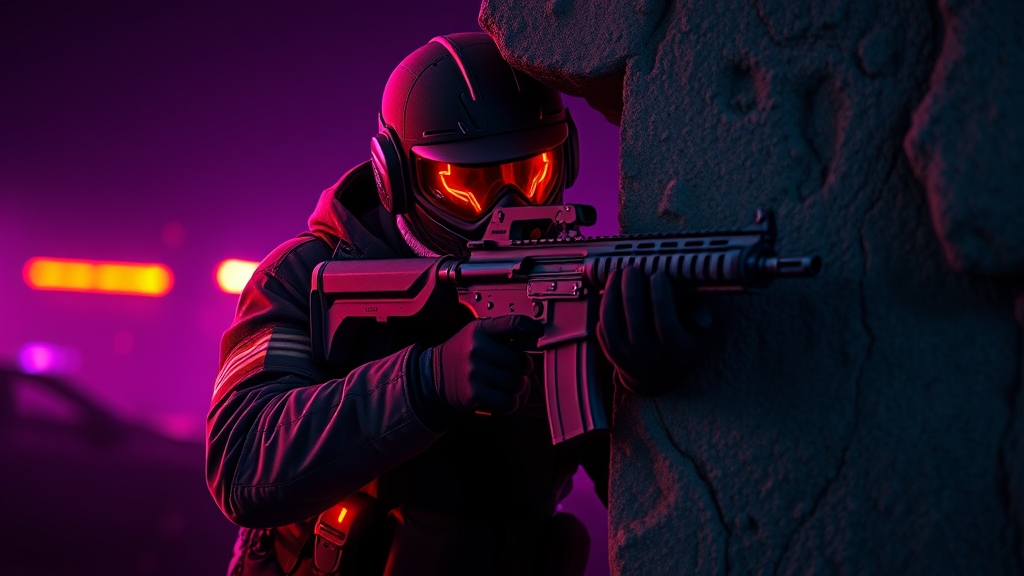
Master Defensive Positioning in Valorant
Good defensive positioning is the difference between an organized team and a chaotic one in Valorant. Many players focus on offense and direct combat, but they forget that solid defense is the foundation of winning. When you position yourself correctly, you reduce your enemy's chances of success and increase your team's chances of controlling the situation.
Why is Defensive Positioning Important?
When the enemy starts their assault, you have an information and preparation advantage. You know the map, you know the routes, and you have time to prepare yourself. Correct positioning means:
- Protection from Ambushes: You're in a position where the enemy can't catch you off guard from unexpected angles
- Distance Control: You choose the distance that suits you and your weapon
- Mutual Support: You position yourself near your teammates to support each other
- Resource Management: You preserve your health and armor better than rushing forward
Types of Defensive Positioning
Deep Setup
In this setup, you position yourself far from the target site. You give the enemy space to approach, then strike them from a strong position. This works well on larger maps and sites with multiple angles to retreat and fight from.
When to Use It: When your team is strong at close-range combat, or when you want to delay the attack and wait for reinforcements.
Forward Setup
Here you position yourself close to the target site to gather early information about the attack. You try to eliminate one or two attackers before retreating to your main position.
When to Use It: When you expect a fast rush and want to slow them down and weaken them before the main battle.
Flanking Setup
Instead of standing directly in front of the enemy, you position yourself to their side. Your goal is to cut off their routes and force them to fight from multiple angles.
When to Use It: When you have information about enemy movements or when your team has an economic advantage.
Practical Tips for Good Positioning
Use Map Terrain
Every map has angles, walls, and objects for cover. Learn where these elements are and use them. Stand behind a box instead of in open space. Hide behind walls to monitor dangerous angles.
Distance From Your Teammates
Don't stand alone. You should be close enough to your teammates so you can support each other. If the enemy eliminates one of you, the other can respond quickly. The ideal distance varies by agent and weapon, but don't be too far apart.
Safe and Dangerous Angles
In every position, there are safe and dangerous angles. A safe angle is one the enemy can't attack from. A dangerous angle is one where the enemy can peek at you quickly. Stand in a position that minimizes dangerous angles on you.
Flexibility and Retreat
Don't get stuck in one spot. Be ready to change your position if the enemy discovers where you are. Good positioning means having safe retreat routes. If you feel the enemy is coming, retreat and reposition.
Common Mistakes to Avoid
- Random Positioning: Don't stand somewhere without thinking. Every position should have a purpose
- Isolation From Your Team: The isolated player dies first
- Staying Too Long: If you stay in the same spot too long, the enemy learns your location and takes you out
- Ignoring Attack Angles: You must know from where the enemy can attack
Conclusion
Defensive positioning isn't about fear or retreat—it's about intelligence and organization. When you position yourself correctly, you play Valorant more efficiently and reduce mistakes. Practice these strategies in your upcoming matches and watch how your performance and your team's performance improves.


