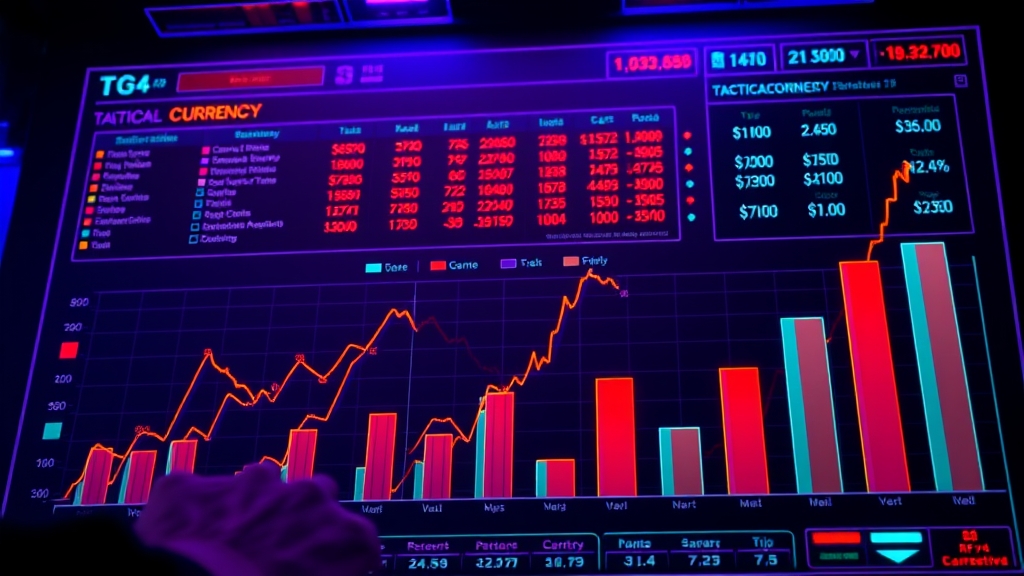
Economy Management: The Key to Round Control
In Valorant, victory doesn't come just from precise aim and tactical strategy, but from a deep understanding of economy management. The money you earn each round determines your team's strength in the rounds to come, and this is what separates strong teams from weak ones.
Why is Economy Management So Important?
Money in Valorant is our lifeblood. Every decision you make about buying weapons, armor, and utility directly affects your chances of winning the next round. A team rich in credits gets better weapons and full armor, while a poor team is forced to play with weak weapons and insufficient protection.
A common mistake new players make is failing to focus on balanced money distribution among team members. You might win a round and earn lots of credits, but if you don't divide them wisely, you'll find yourself in the next round with weak weapons and an economically divided team.
Basic Economy Round Types
Full Buy Round
This round usually comes after a decisive win in the previous round or after successful save rounds. In a full buy:
- All players purchase strong primary weapons (Vandal or Phantom)
- All team members buy full armor
- Useful utility is purchased (Smoke, Flash, Molly)
- The goal is absolute map control and winning the round
Save Round
This happens after losing a crucial round. The goal of a save round is to conserve credits for the next round when you'll need a full buy:
- Purchase very weak weapons (Pistols or SMG)
- Minimize utility and accessory purchases
- Some players buy nothing and rely on ground weapons
- The goal is a calculated loss and saving for the important round
Half Buy Round
A middle ground between full save and full buy:
- Purchase mid-tier weapons (Spectre or Stinger)
- Light armor or no armor
- Used when you're in an economically unstable position
- You may win if you play smart and use good positioning
Golden Rules for Economy Management
Communicate with Your Team First
Before any purchase, discuss the economy plan with your team. If you decide on a save round, everyone must commit. One player buying while others save means guaranteed failure.
Monitor the Enemy Team's Economy
Don't just look at your own credits—understand the opposing team's economy. If they're poor, their next save round may be coming, so you can predict their weapons. This information helps you prepare your strategy.
Don't Waste Money on Random Purchases
Everything you buy should have a clear purpose. A smoke in the wrong area or an unnecessary extra weapon equals wasted credits you might need later.
Learn from Your Losses
If you lose a round you should have won, analyze what happened. Was it an aim problem or an economy problem? Most of the time, you'll find bad economy is the real culprit.
Advanced Tips
Multi-Round Planning
Don't just think about the current round. Think: if I lose this round, how much do I need to save for the next one? This kind of thinking significantly changes your decisions.
Calculated Sacrifice
Sometimes it's smart to lose a specific round to win more important rounds later. A rich team controls the pace of the match.
Economy management might not seem as exciting as precise aim, but it's the foundation everything else is built on. Start today by paying attention to your credits and the money around the map, and you'll feel a huge difference in your results.


